


İş Dünyası İçin Yapay Zeka: Neler Yapabilir (ve Neler Yapamaz)
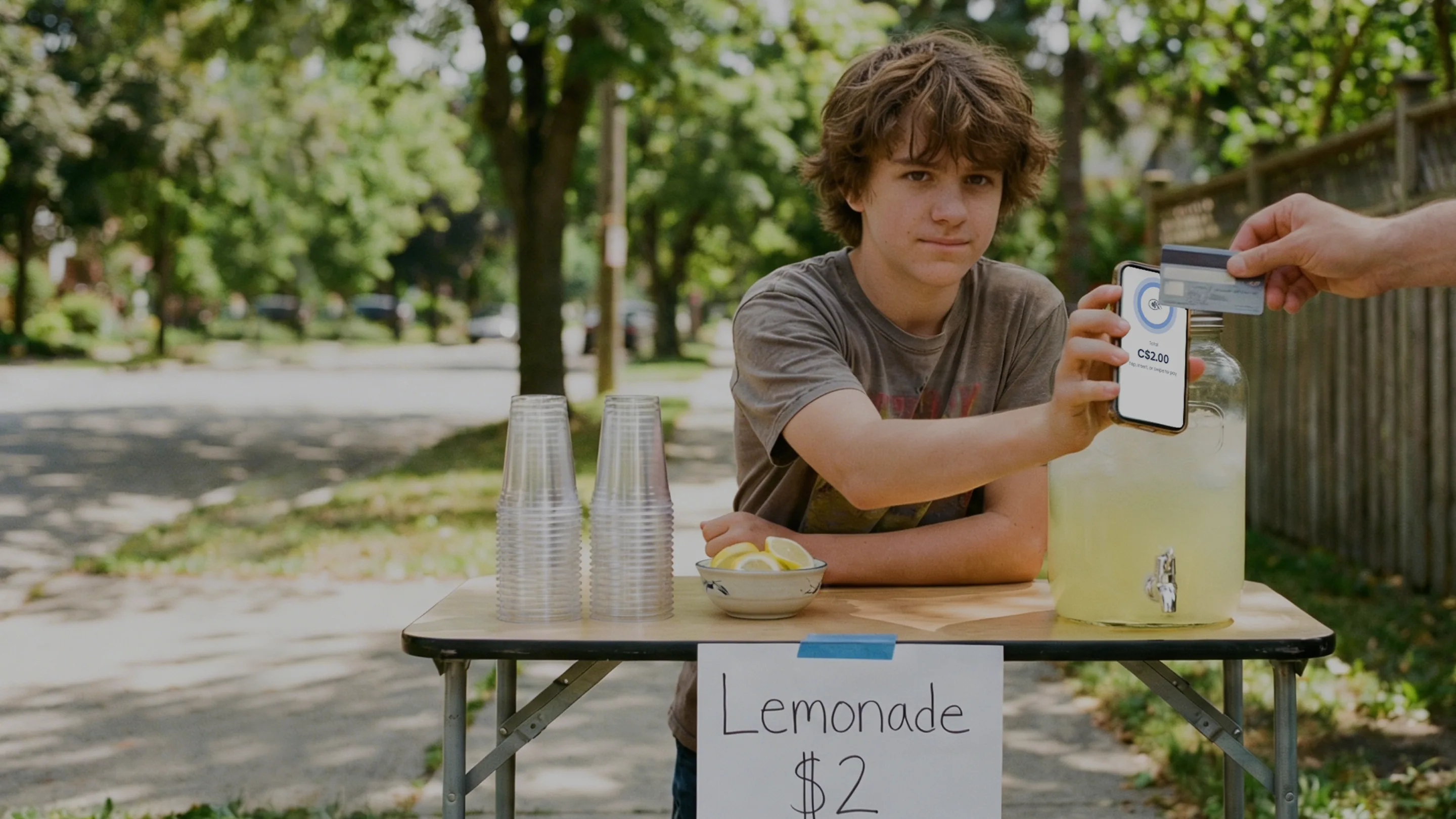
Ne istediğinizi tarif ediyorsunuz, model kodu yazıyor ve pazartesi günü iş yerinizi açıyorsunuz. Sonra gerçek bir ödeme almaya çalışıyorlar ve o hafta sonu koca bir çeyreğe dönüşüyor.
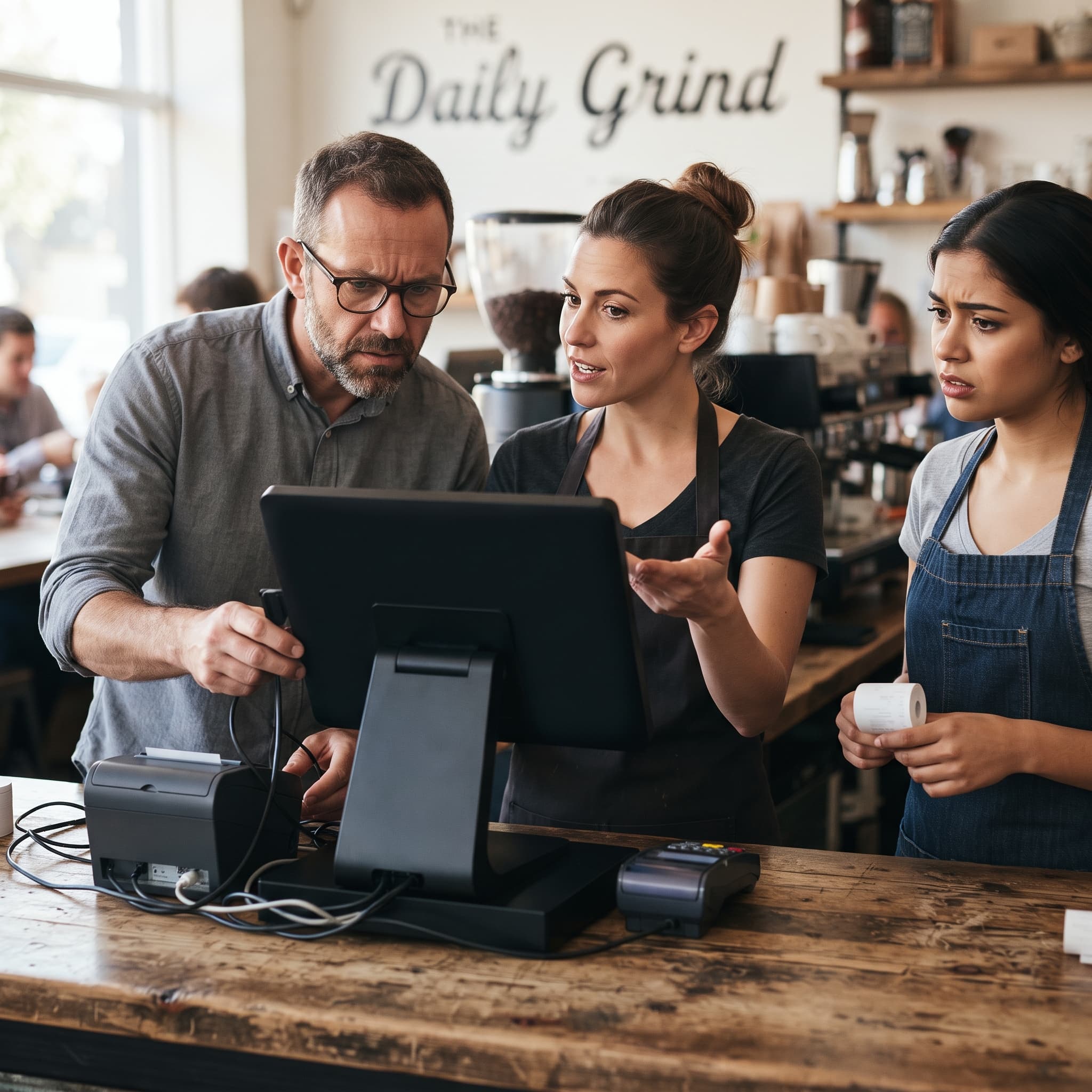
Bugünlerde iş dünyasında yapay zeka alanında en hızlı büyüyen vaat, her hafta duyduğumuz şu sözdür: Bir kurucu, yazılım sağlayıcılarıyla görüşme aşamasını tamamen atlayıp yapay zekaya bir hafta sonu içinde kendi POS sistemini yaptıracak. Bu vaat kulağa mantıklı geliyor. Ne istediğinizi tarif ediyorsunuz, model kodu yazıyor ve pazartesi günü iş yerinizi açıyorsunuz. İnsanlar bu şekilde gerçekten etkileyici şeyler yapıyorlar: açılış sayfaları, dahili paneller, bir mobil uygulamanın iskeleti.
Sonra gerçek bir ödeme almaya çalışıyorlar ve o hafta sonu koca bir çeyreğe dönüşüyor (kelime oyununu fark ettiniz mi?).
Bu, yapay zekaya karşı bir uyarı değil. Biz bunu sürekli kullanıyoruz ve yapay zekanın gerçekte neyde iyi olduğunu anlayan satıcılar, anlamayanların önüne geçiyor. Ancak şu anda ticarette ortaya çıkan özel bir başarısızlık modeli var ve bunun sadece gerçekleştiğini değil, neden gerçekleştiğini de anlamakta fayda var.
Zamanlamaya dair bir not: Bu yazı, çoğu insanın Claude Opus 4.8, Gemini 3.5 Flash ve GPT-5.5 modellerini kullandığı Temmuz 2026'da yazılmıştır. Bu liste hızla eskiyecektir. Bu araçlar aydan aya değişiyor ve bugün gerçek olan bir sınırlama, siz bunu okurken çözülmüş olabilir, öte yandan henüz kimsenin fark etmediği yeni tuhaflıklar ortaya çıkabilir. Aşağıdaki detayları bir anlık durum tespiti olarak görün ve fiilen kullandığınız modelin mevcut yeteneklerini ve bilinen zayıf yönlerini kontrol etmeyi alışkanlık haline getirin.
Bu modeller gerçekte nasıl çalışır?
Büyük bir dil modeli bir tahmin motorudur. Muazzam miktarda metin ve kod okumuştur ve temelinde bir şeyi çok iyi yapar: şimdiye kadar yazılmış her şey göz önüne alındığında, bir sonraki en olası metin parçasını tahmin eder. Hepsi bu. Bilgileri aradığı bir veri tabanı veya doğruluğunu kontrol ettiği dahili bir gerçekler defteri yoktur. En makul devamı üretir.
Bu tasarım, bazı görevler için neden sihirli hissettirdiğinin tam olarak nedenidir. Bir ürün açıklaması yazmak, bir e-posta taslağı hazırlamak, düzenli bir düğme tablosu sunan bir React bileşeni oluşturmak: Bunlar kalıp tamamlama problemleridir ve model milyonlarca örnek görmüştür. Çıktı doğru görünür çünkü istatistiksel olarak doğrudur.
Sorun, "en makul" ile "gerçekten doğru" olanın aynı şey olmaktan çıkmasıyla başlar.
Halüsinasyon, açıkça
Bir model kulağa son derece emin gelen ve tamamen yanlış olan bir şey ürettiğinde, sektör buna halüsinasyon der. Bu kelime kulağa bir sistem hatasıymış gibi geliyor. Öyle değil. Bu, sistemin tasarlandığı gibi çalıştığı, makul ve doğrunun birbirinden saptığı bir durumda makul metinler ürettiği andır.
Bir modele kısmi bir ücreti iade etmek için gereken API yöntemini sorun; eğer güncel dokümantasyonu tam olarak görmediyse, "Bilmiyorum" demeyecektir. Bu olası bir devam yolu değildir. Bunun yerine, doğru adlandırma kuralına ve mantıklı parametrelere sahip, tıpkı gerçeği gibi görünen bir yöntem adı uyduracaktır. Son derece yetkin bir dille yazılmıştır. Ancak bir müşteri parasını geri istediği an sessizce başarısız olacaktır.
Bu durum ticarette neredeyse diğer tüm alanlardan daha fazla önem taşır, çünkü küçük bir hatanın bedeli paranın yanlış hareket etmesidir. Halüsinasyon ürünü bir blog girişi utandırıcıdır. Halüsinasyon ürünü bir vergi hesaplaması, iade akışı veya envanter düşüşü ise bir ters ibraz, bir denetim veya müşteriden iki kez ücret alınması demektir.
Ticaret Sistemi Kurmak Neden Göründüğünden Daha Zordur?
Birisi "bana bir POS yap" veya "bana bir mağaza kur" dediğinde, genellikle ekranı hayal eder: ürün tablosu, sepet, ödeme düğmesi. Yapay zeka bu ekranı hızlıca üretebilir ve profesyonel görünecektir.
But the screen is the easy 10%. The part that makes it a commerce system rather than a picture of one is everything behind it, and almost all of that is state and integration, not layout:
Payments. Taking money involves a payment processor, a merchant account, PCI compliance, tokenized card handling, and a dozen edge cases like declined cards, partial captures, refunds, disputes, and currency conversion. A model can write code that looks like it calls a payment API. Whether that code is secure, compliant, and correctly handling the failure cases is a different question entirely, and it's the question that matters.
Inventory. Stock isn't a number on a page; it's a number that has to stay correct while two customers check out the last unit at the same moment, while a return comes in, while a manual count adjusts it. Get the concurrency wrong and you oversell. Models are notoriously weak at this kind of stateful, race-condition-prone logic precisely because correctness here depends on runtime behavior the model never sees.
Order history and reconciliation. Every transaction has to be recorded once, immutably, and reconciled against what the processor says actually happened. This is boring, unglamorous bookkeeping logic, and it's the part that keeps you out of trouble with your accountant and the tax authority.
Tax. Rates vary by jurisdiction, by product class, by the customer's location, and they change. A plausible-looking tax function is worse than no tax function, because it'll be wrong in ways you don't notice until you file.
None of these are layout problems. They're correctness-over-time problems, and "generate the most plausible code" is structurally the wrong tool for guaranteeing correctness over time.
Where AI genuinely earns its place
We're not telling you to keep AI away from your business. The opposite. Most of what a small store needs done day to day sits squarely in the zone where AI is a real advantage, and if you're not using it for these, you're working harder than your competitors.
The pattern that makes something a good fit: a confident first draft saves you real time, and you can look at the result and tell whether it's any good. Marketing and content work fit this almost perfectly.
Generating images for ads. You can produce ad visuals, product mockups, and social graphics in minutes instead of paying for a shoot or a stock subscription. For a seasonal promo or a quick A/B test of two creatives, this is genuinely useful and the cost is close to zero.
Writing social posts and captions. Feed it your product and your tone and it'll draft a week of posts faster than you'd write one. You're still the editor, but the blank-page problem disappears.
Coming up with ad and newsletter ideas. This is where it shines even when the output isn't final. Ask for twenty angles for a back-to-school campaign and most will be mediocre, but two or three will be worth running, and you'd never have brainstormed all twenty yourself.
Talking through decisions. Use it as a sounding board for general business questions, like how to structure a loyalty offer or what to test next. Treat it as a sharp colleague who's occasionally confidently wrong, not as an oracle, and it's a useful thinking partner.
Alongside those, the less glamorous wins: summarizing reviews and support tickets so you can spot patterns, drafting the first version of an automation for a human to verify, and answering "how do I" questions about tools you already use.
Two caveats that separate good output from obvious AI slop
First, AI-generated visuals have a sameness problem. The default look, those glossy, slightly-too-perfect gradient posters, is now so common that customers recognize it instantly, and it reads as cheap. If you use generated images, push past the first result: change the style, feed it your own brand colors and product photos, crop and edit it like a starting point rather than a finished piece. A poster that looks like every other AI poster does less for you than no poster at all.
Second, proofread everything before it goes out. Because AI states wrong things as confidently as right ones, a hallucinated price, a made-up product feature, or a fake statistic will sail straight into your newsletter if you don't check. The rule is simple: AI can write the draft, but a human signs off before anything reaches a customer. Read every word as if you'll be held to it, because you will be.
The common thread across all of it: AI is excellent where a confident draft saves you time and you can easily check the result.
It's dangerous where being subtly, confidently wrong costs you money and you can't easily check the result.
The distinction that actually matters
Here's the part most of the "AI built my POS" stories miss. There's a difference between asking AI to invent commerce logic from scratch and asking it to assemble a store on top of infrastructure that already handles the money correctly.
When a general-purpose model writes your payment handling, your inventory math, and your tax logic from nothing, every one of those is a fresh chance to hallucinate something plausible but wrong. You're trusting the prediction engine with the parts that have to be exact. That's the version that turns into a quarter-long debugging project.
But the payment processing, the stock decrements, the order ledger, the reconciliation: none of these need to be reinvented for every store. They're the same hard problems every merchant has, and they should be solved once, correctly, by people who handle the edge cases on purpose. When that foundation already exists and is known to work, the job left for AI is the part it's genuinely good at: composing the surface, arranging the layout, wiring up the flow. Plausible is fine there, because a human can see the result and the money underneath is already handled.
So the lesson isn't "keep AI away from commerce." It's: be very suspicious of any setup where AI is generating the logic that moves money, and much more comfortable where AI is building on top of infrastructure that already moves money correctly. The first is asking a prediction engine to be exact. The second is letting it do what it's brilliant at while something built for correctness handles the rest.
A storefront has to be correct. The money has to move right every single time, not most of the time. The smart use of AI in commerce is knowing which layer it belongs in, and making sure the layer underneath was never left up to a guess.
Sıkça sorulan sorular
Yapay zeka gerçekten çalışan bir satış noktası (POS) sistemi oluşturabilir mi?
Yapay zeka ekranı hızlı bir şekilde üretebilir ve profesyonel görünmesini sağlayabilir, ancak ekran işin kolay olan %10'luk kısmıdır. Onu sadece bir sistem resmi olmaktan çıkarıp gerçek bir ticaret sistemi yapan şey arkasındaki her şeydir: ödemeler, envanter, mutabakat ve vergi.
Yapay zeka halüsinasyonu nedir?
Halüsinasyon, bir modelin kulağa kendinden emin gelen ancak tamamen yanlış olan bir şey üretmesidir. Bu bir sistem hatası değildir; sistemin tasarlandığı gibi çalışarak, makul olan ile doğru olanın birbirinden ayrıldığı bir durumda makul görünen bir metin üretmesidir.
Yapay zeka ödemeler, envanter ve vergi mantığı için neden risklidir?
Ödemeler; PCI uyumluluğunu, reddedilen kartlar ve iadeler gibi uç durumları içerir; envanterin eşzamanlı ödemeler altında doğru kalması gerekir ve vergi oranları bölgeye göre değişir ve zamanla güncellenir. Bunlardan herhangi biri için makul görünen bir işlev, hiç işlev olmamasından daha kötüdür; çünkü size maliyet yaratana kadar fark etmeyeceğiniz şekillerde hatalıdır.
Yapay zeka bir perakende işletmesi için gerçekten nerede faydalıdır?
Yapay zeka; reklam görselleri oluşturmak, sosyal medya gönderileri ve açıklamaları yazmak, reklam ve bülten fikirleri üretmek ve iş kararları için bir fikir alışverişi ortağı olarak hareket etmek gibi, güvenilir bir ilk taslağın zaman kazandırdığı ve bir insanın sonucu kolayca kontrol edebileceği her yerde gerçek bir avantajdır.
Ödemeler veya vergi hesaplamaları için yapay zeka tarafından oluşturulan kodları kullanmak güvenli midir?
Hayır. Genel amaçlı bir model sıfırdan ödeme işleme, envanter matematiği veya vergi mantığı yazdığında, bunların her biri akla yatkın ama yanlış bir şey uydurması için yeni bir fırsattır. Yapay zekanın, parayı zaten doğru şekilde yöneten bir altyapının üzerine inşa edilmesine izin vermek daha güvenlidir.