



通过合适的 POS 系统优化特许经营增长
选择合适的特许经营 POS 系统意味着要在集中控制与地方灵活性之间取得平衡。以下是每位特许经营授权商都应考虑的 7 个因素。
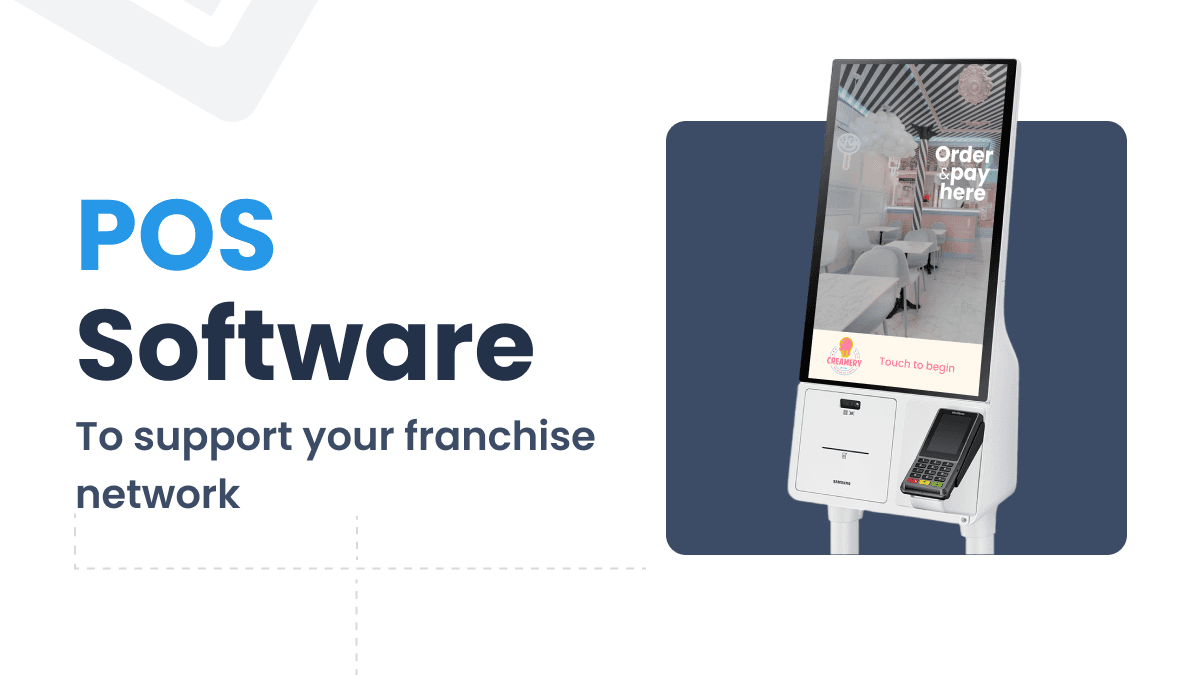
Your franchise POS system is more than just a way to accept payments— it's the driving force behind keeping your everyday operations running smooth at every and each location. With so many POS systems available, how do you choose the right one to support your growing franchise network?
In this blog post, we’ll outline seven essential factors to take into consideration when choosing franchise POS system. Whether you’re a franchisor aiming to upgrade your retail setup or a digital agency managing multiple franchise clients, the right POS system can significantly boost your operational efficiency and guarantee brand consistency.
So, stick around—especially if you’re looking to make more informed tech choices for your franchise network.
1. Features and Functionality
Choosing the right franchise POS system is all about matching its functionalities with your franchise's unique demands. You want a system that not only fits your operational flow but also supports your growth goals. It must address the unique requirements of your industry, products, and services. For instance, if you have a retail franchise, you will likely need inventory management, barcode scanning, and discount handling features.
So, as you embark on your quest for the ideal franchise POS system, start by jotting down the key features that are required by you as well as your franchisees.
2. POS Customization: Balancing Flexibility and Consistency
This point might fall slightly under the previous section on features and functionality, but it deserves its own spotlight. When you’re choosing a new franchise POS system, a software that embraces customization is a great place to start.
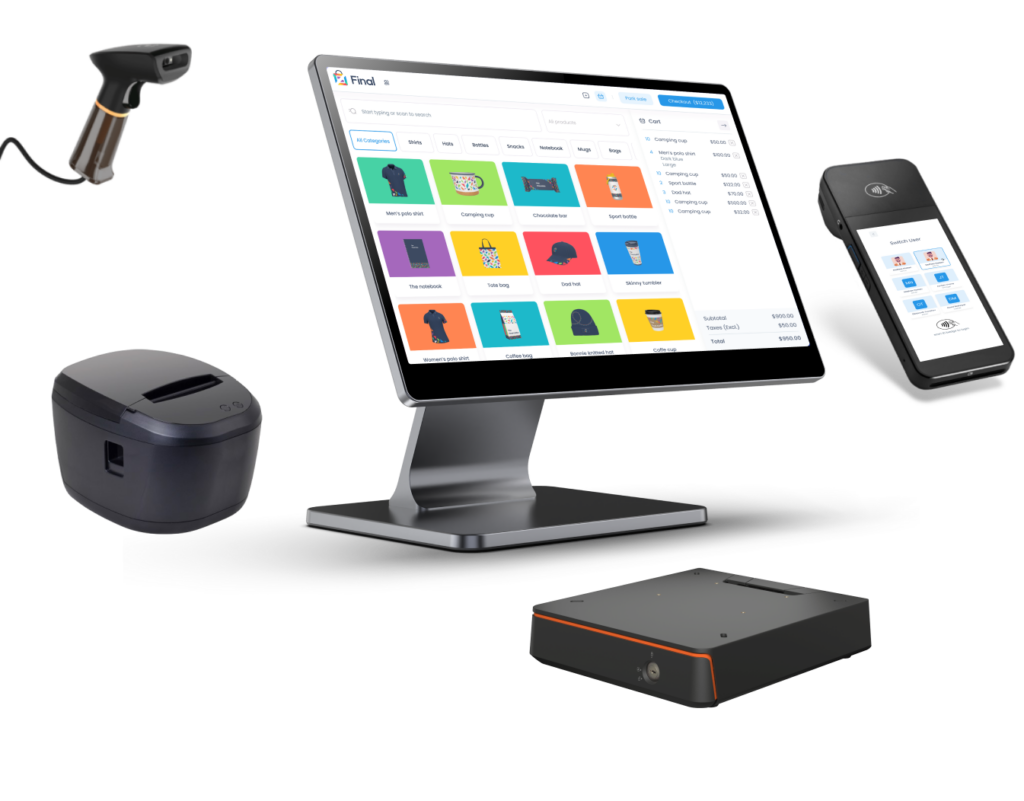
You need a system that allows you to standardize core elements—such as menus, product lists, pricing, discounts, and branding—across all units so that you can give a uniform experience to customers. But at the same time, franchisees need to be capable of customizing some of the elements based on local needs—like varying tax rates, local promotions, or regional preferences.
It’s also important that the POS can adapt to multiple formats like self-service kiosks, tablets, and mobile POS setups. Whether one has a restaurant with people sitting or a retail store with heavy traffic, customization ensures that the POS is appropriate for the setting, without compromising on brand consistency.
This kind of customization empowers franchisees to operate efficiently while reinforcing a cohesive brand experience across your entire
3. Centralized Management
The third factor to consider when choosing a franchise POS system is finding a system that has a good balance between centralized control and franchisee-level flexibility.
Look for a system that offers a centralized dashboard wherein you can manage several locations effeciently—pushing updates, standardizing prices, and maintaining brand consistency across your network. At the same time, franchisees should have permission-based access to manage day-to-day operations like local promotions or staffing.
This balance enables you to stay in control at the brand level while empowering individual stores to operate with the flexibility they need.
4. Real-Time Data & Reports
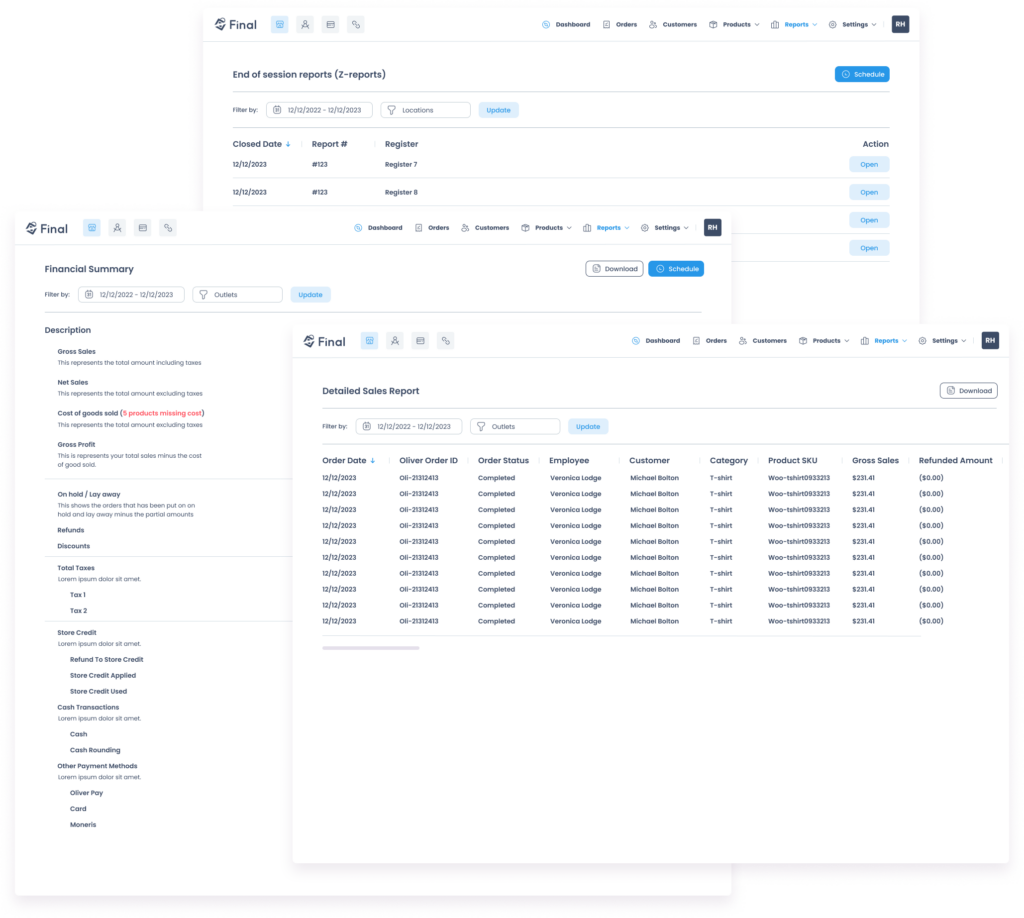
It's difficult to develop something you cannot measure. Therefore, the fourth thing to look for in a franchise POS system is a POS that has strong reporting. You want easy access to real-time data on the performance of each location, without needing to trawl through endless spreadsheets.
Look for features like:
Sales dashboards with both location-specific and network-wide views
Inventory reporting to spot trends, optimize stock, and reduce waste
Employee performance reports to track hours, sales, and productivity
Custom reports aligned with your KPIs and business goals
Easy-to-understand reporting allows you to make informed decisions—whether that’s identifying high-performing locations, spotting issues early, or determining your next move.
More importantly, it helps ensure you're not running your franchise on guesswork, but on solid, real-time data.
5. Scalability
Fifth, ensure that the franchise POS you select is scalable so it grows with your business. When selecting a POS system for your franchise, it is crucial to not only see beyond where you are today but into the future of growth as well. An effectively scalable POS should expand along with you—whether that means adding additional units or locations, opening up new markets, or businesses increasing volume.
Scalability means you can onboard new units quickly, roll out updates across the network effortlessly, and modify your workflows as your business operations become more complex. In this way it also ensures that your system is not going to slow down or create bottlenecks as you scale up your business.
In short, a scalable POS provides you with the freedom to scale with confidence, without having to redo your stack every time you level up.
6. Compatibility and Integration
The second-to-last thing to look for in a franchise POS system is its compatibility and integration capabilities, which are essential for ensuring smooth operations across your entire franchise network. A POS system that is truly compatible should work seamlessly with your current hardware, software and infrastructure — without causing any conflicts, delays or expensive disruptions.
It should also integrate easily with third-party applications like payment processors, e-commerce platforms, etc. Most franchises rely on a mix of tools to run day-to-day operations, so your POS needs to connect with your current tech stack—or be flexible enough to integrate with new platforms as your business evolves.
The right franchise POS system acts as a central hub that keeps your entire ecosystem connected and running smoothly.
7. Easy Onboarding and Support
The last thing we’ll cover, and yet terribly important, is onboarding. Because not every franchisee is a tech wiz, so your POS software needs to be intuitive, user-friendly, and easy to learn. The less training time or onboarding friction that surrounds the franchise POS system, the faster new locations can hit the ground running.
The support behind the system is equally significant. Find a POS provider that not only provides great customer service, but who can walk you through the onboarding process. Your whole network benefits when franchisees feel supported from day one.
Summary
To recap, before you decide on a franchise POS system, consider the following key points:
Match your industry-specific needs with features like inventory, discounts, and barcode scanning.
Balance consistency and flexibility—standardizing menus and pricing while also allowing local variations.
Centralized control by permission-based access for franchisee-level autonomy.
Real-time reporting to support you in taking better and smarter decisions.
Scale easily as you grow, no matter if you are opening one new store or a hundred.
Seamlessly integrate with your existing tech stack and support third-party tools.
Easy onboarding and ongoing support to minimize friction and boost adoption to the fullest.
Are You Ready to Level Up Your Franchise Operations?
Your unique needs will determine which franchise POS system is best for your network. Look for a system like Final POS that combines centralized control, customizable workflows, and robust reporting features in one powerful platform. Final POS helps you maintain consistency, data-drivenness, and control, whether you're just getting started or growing quickly.
**Talk to an expert today and see how Final POS can help you.**
常见问题
什么是连锁加盟 POS 系统?
连锁加盟 POS 系统是专为支持多店面业务而设计的 POS 平台。它通常提供集中式管理,以便特许授权商能够标准化定价、菜单和品牌,同时也为单个加盟商提供基于权限的访问,以处理本地运营。
连锁加盟 POS 系统应该具备哪些功能?
关键功能包括集中式仪表板、实时报告、库存管理、加盟商基于权限的访问,以及针对税率和促销等本地需求的自定义选项。可扩展性以及与第三方工具的轻松集成也至关重要。
连锁加盟 POS 系统如何支持增长?
可扩展的连锁加盟 POS 可让您快速入驻新分店、在整个网络中推送更新,并在运营变得更加复杂时调整工作流程。这意味着您可以在不替换每个阶段的技术栈的情况下进行扩张。
为什么自定义在连锁加盟 POS 中很重要?
自定义允许特许授权商强制执行品牌一致性——标准化菜单、定价和折扣——同时允许各个分店适应本地促销、税率或区域偏好。它还支持不同的硬件格式,如自助服务终端、平板电脑和移动 POS 设置。
入驻培训支持对连锁加盟 POS 有多重要?
入驻培训支持至关重要,因为并非每个加盟商都有技术背景。一个直观、用户友好的 POS,加上强大的客户支持,可以减少培训时间,帮助新分店更快地启动和运行,从而使整个连锁网络受益。