


Low-Budget Store Openings: Where to Spend and Where to Skip
Opening a store on a tight budget means funding inventory, working capital, and a survivable lease, and skipping the build-out, proprietary hardware, and the subscription stack.
 Mathias NielsenCEO, Final POS
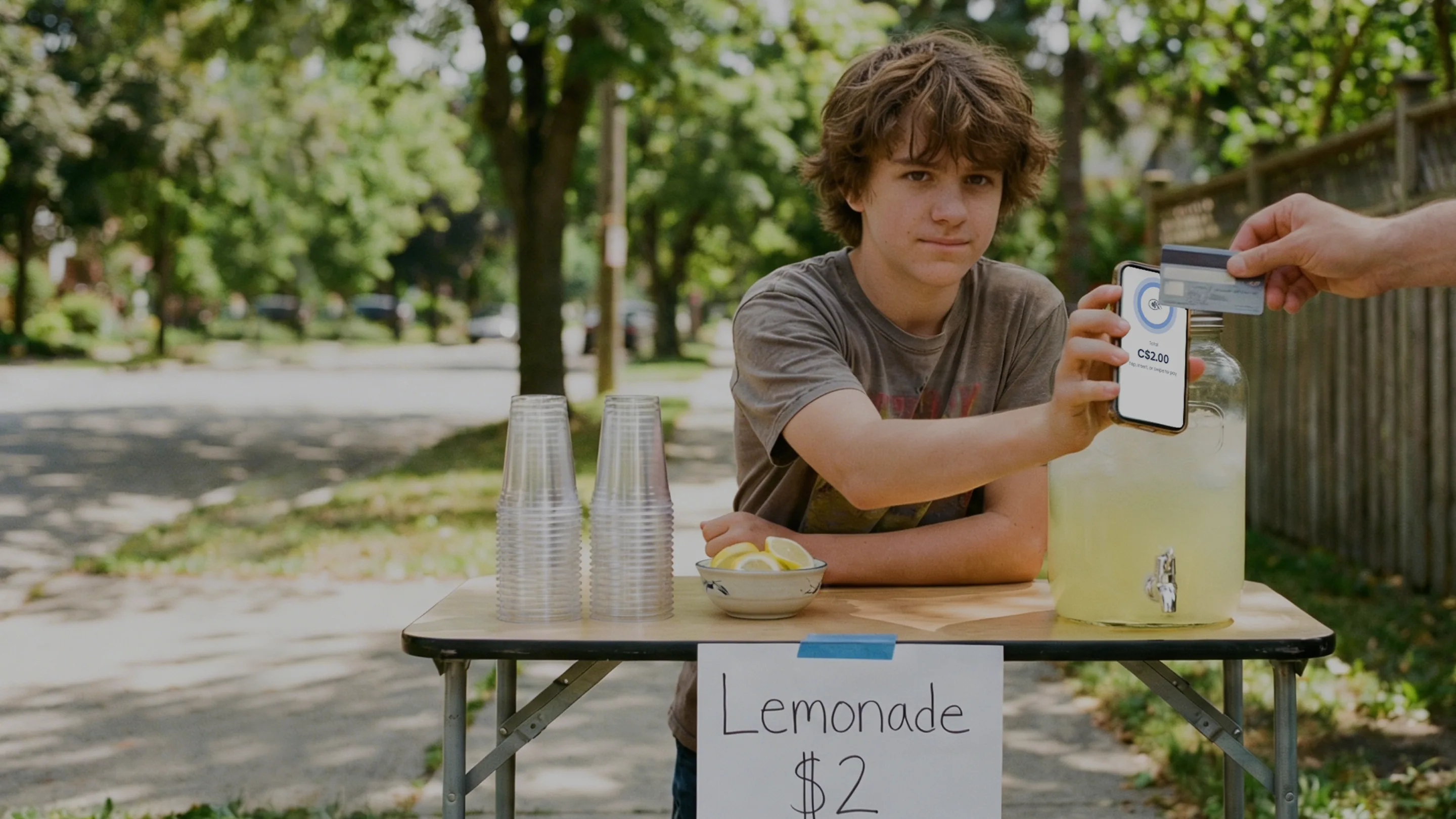
A low-budget store opening comes down to funding three things properly: inventory, working capital, and the space itself. Almost everything else either can wait or can be had far cheaper than the default option. The stores that run out of money rarely overspent on product; they overspent on construction, hardware, and subscriptions before the first customer walked in.
Here is where the money goes, what deserves it, and what does not.
What does it actually cost to open a small store?
Construction is the number that surprises people. Fitting out an in-line retail store in the US averages $155 per square foot, from $117 in the Southeast up to $211 in Northern California¹. On a modest 1,000 square foot unit, that is a six-figure line item before you own a single product. (These figures come from 2025 industry guides; treat them as a snapshot, not a quote.)
The rest of the pre-opening bill is smaller and less flexible. A business owner's policy (bundled property and liability insurance) averages $83 per month across small businesses, and retailers typically pay more because customers are on the premises². Licenses and permits usually cost hundreds, not thousands. Inventory depends entirely on what you sell.
That spread tells you where the leverage is. You cannot negotiate insurance to zero, but you can refuse a space that needs $155 per square foot of work.
Where should you spend?
Four line items earn their budget in a first store:
Inventory. It is the only spend that converts directly into revenue. A thin opening assortment reads as a store that is already struggling; depth in your best categories beats breadth across everything.
Working capital. New stores rarely die from a bad concept. They die from running out of cash during the ramp, so hold back enough to operate through several months of below-plan sales before committing the rest.
Insurance and licensing. Cheap relative to everything else and existential when something goes wrong. Not the place to economize.
A lease you can survive. A shorter term, a break clause, or a tenant improvement allowance (landlord money toward your fit-out) is worth more than a prestige address. Negotiate the exit before you celebrate the entrance.

Where can you skip?
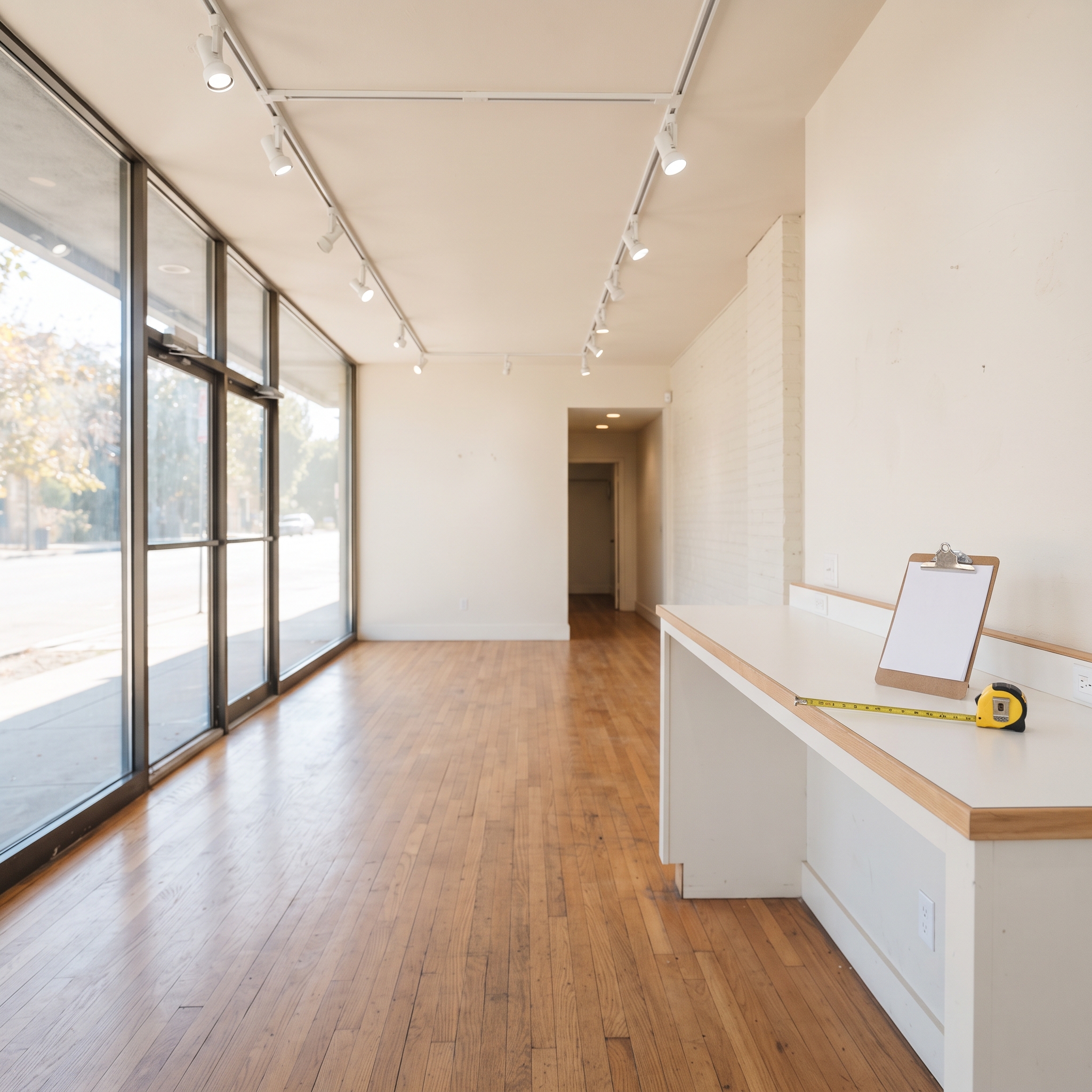
The custom build-out. This is the biggest saving available. Second-generation space (a unit where the previous tenant already installed flooring, lighting, HVAC, and counters) lets you open with paint and fixtures instead of contractors, and the difference is tens of thousands of dollars even on a small footprint.
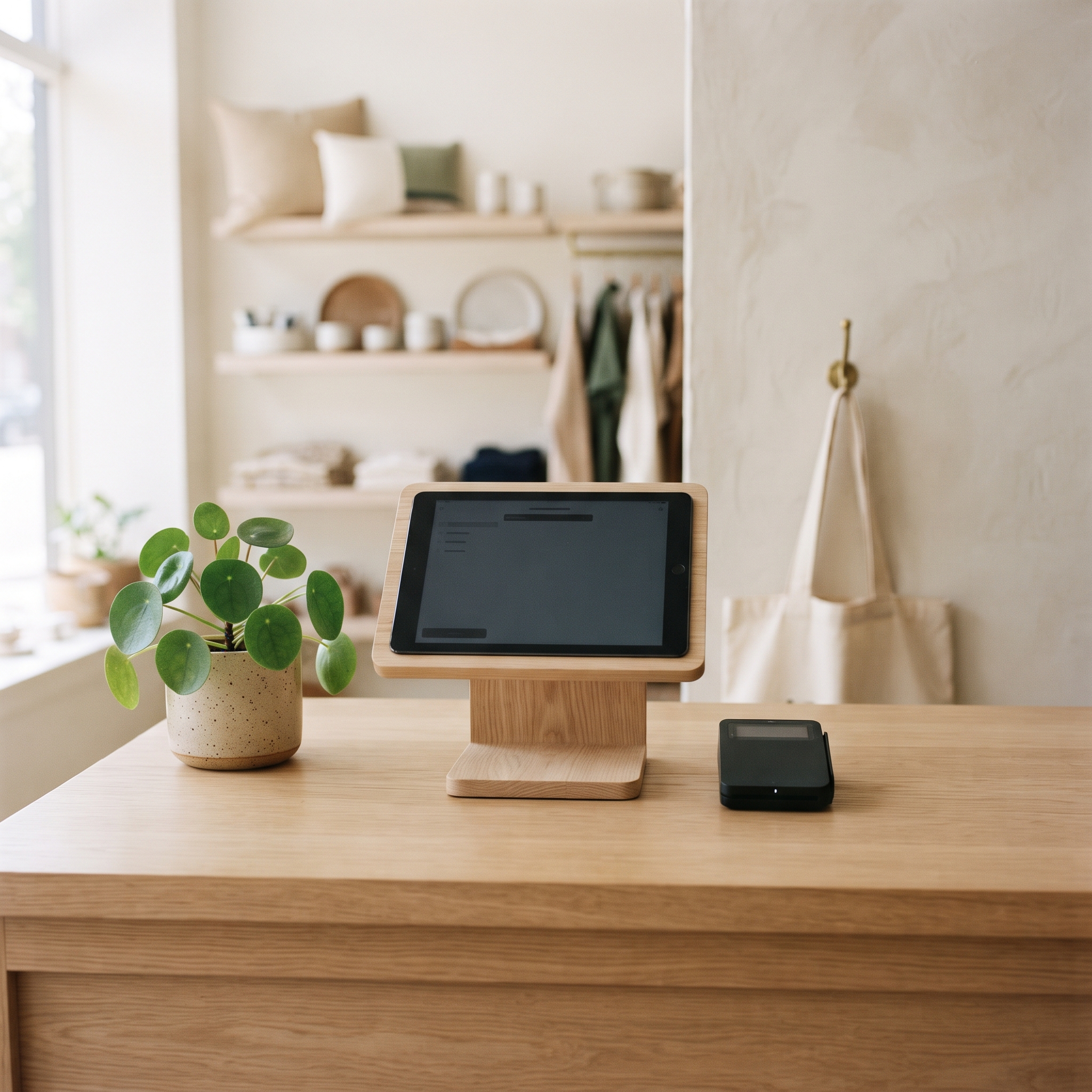
Proprietary POS hardware. A counter full of vendor-locked screens, printers, and terminals is a fixed cost you carry whether or not anyone buys. Modern systems run on the phone, tablet, or browser you already own, with a certified card reader added when volume justifies it.
The subscription stack. Scheduling, loyalty, email, accounting, and POS software each look small monthly and together bill like an employee. More on this below.
Launch branding. A freelance logo and a consistent storefront beat an agency identity package at many times the price. Your first hundred customers come from the street and word of mouth, not brand strategy.
Why do monthly subscriptions hurt a new store most?
Because they bill before you sell. POS software plans commonly run $60 to $165 or more per month per location, with proprietary terminals adding several hundred dollars each up front (based on published pricing from major POS vendors). Stack a few more tools on top and a new store carries a payroll-sized software bill in month one, exactly when revenue is at its lowest.
The defense is sequencing and pricing structure. Start with what checkout actually requires on day one; speeding up the in-store checkout process matters more than feature count. If you will sell online and in person, pick a system that treats them as one store with one inventory from the start, because bolting a sync app on later is its own recurring fee. And favor pricing that scales with sales rather than with time: some systems, Final among them, charge no monthly software fee and price per transaction instead, so the till costs nothing in the weeks it earns nothing.
So, where do you spend and where do you skip?
Spend on inventory, working capital, insurance, and a survivable lease. Skip the construction project, the hardware wall, the subscription stack, and the agency launch. The rule of thumb behind all of it: if a cost converts into revenue, fund it; if it just renews every month, question it.
A store opened in second-generation space, running checkout on a tablet, with the budget sitting in stock and cash reserves, looks modest on opening day and is far more likely to see a second year. If the POS decision is next on your list, start with implementing a POS system for retail stores and, if you sell across channels, how to select a POS for your e-commerce store.
Frequently asked questions
How much does it cost to open a small retail store?
It varies widely with the condition of the space. Fit-out construction averaged $155 per square foot in 2025, which is why taking second-generation space matters more than any other single decision. Inventory, insurance, deposits, and licenses come on top.
What is second-generation retail space?
A unit where a previous tenant already installed flooring, lighting, HVAC, and counters. You inherit most of the fit-out and open with paint and fixtures instead of a construction project.
Do I need to buy POS hardware before opening?
Usually no. Modern POS systems run on a phone, tablet, or browser you already own. You add a certified card reader for card-present payments and expand only when sales volume justifies it.
How much working capital should a new store keep?
Enough to operate through several months of below-plan sales. Most new stores fail on cash flow during the ramp, not on the concept, so reserve capital before committing to build-out extras.