


Choosing a POS for a Service Business vs a Retail Store in 2026
Retail POS systems are built around inventory; service POS systems are built around clients and time. Here is how to choose in 2026, what each really costs, and what to do if your business is both.


A POS for a service business and a POS for a retail store look nearly identical at the payment screen and behave nothing alike underneath. Retail systems are built around inventory. Service systems are built around clients and time. The right choice in 2026 comes down to where your revenue actually lives, and if you run a bit of both, the template model breaks down entirely. Here is what each type needs, what the costs really look like, and how to decide.
What does a retail store need from a POS?
A retail POS system lives or dies on inventory. The product catalog is the system of record (the one database every other tool trusts), so the checkout has to do more than take money. It needs barcode scanning at the till, variants for size and color, stock tracked per product and per location, and an audit trail (a log of who changed what and why) covering every adjustment: stock received, damage, theft, recounts.
That discipline is not optional. Stock records drift the moment staff stop trusting them, which is why regular cycle counts beat an annual inventory blitz for most stores. If a POS makes counting and adjusting stock painful, the store quietly stops doing it, and every report downstream becomes fiction.
Hardware follows the same logic. A retail counter usually wants a barcode scanner, a cash drawer, a receipt printer, and a fixed terminal, because the bottleneck is line speed at a physical till.

What does a service business need instead?
Almost none of that. A salon, a plumber, a law office, or a mobile detailer sells time and expertise, so the POS has to be built around the client, not the shelf. That means client records with visit history and notes, and payment moments that rarely happen at a counter: a deposit before the job, an invoice after it, a keyed MOTO payment (typed-in card details for mail order / telephone order) when the customer is not standing in front of you, or a payment link the client pays on their own phone. Final's help center shows how a keyed MOTO payment works when the card is not present.
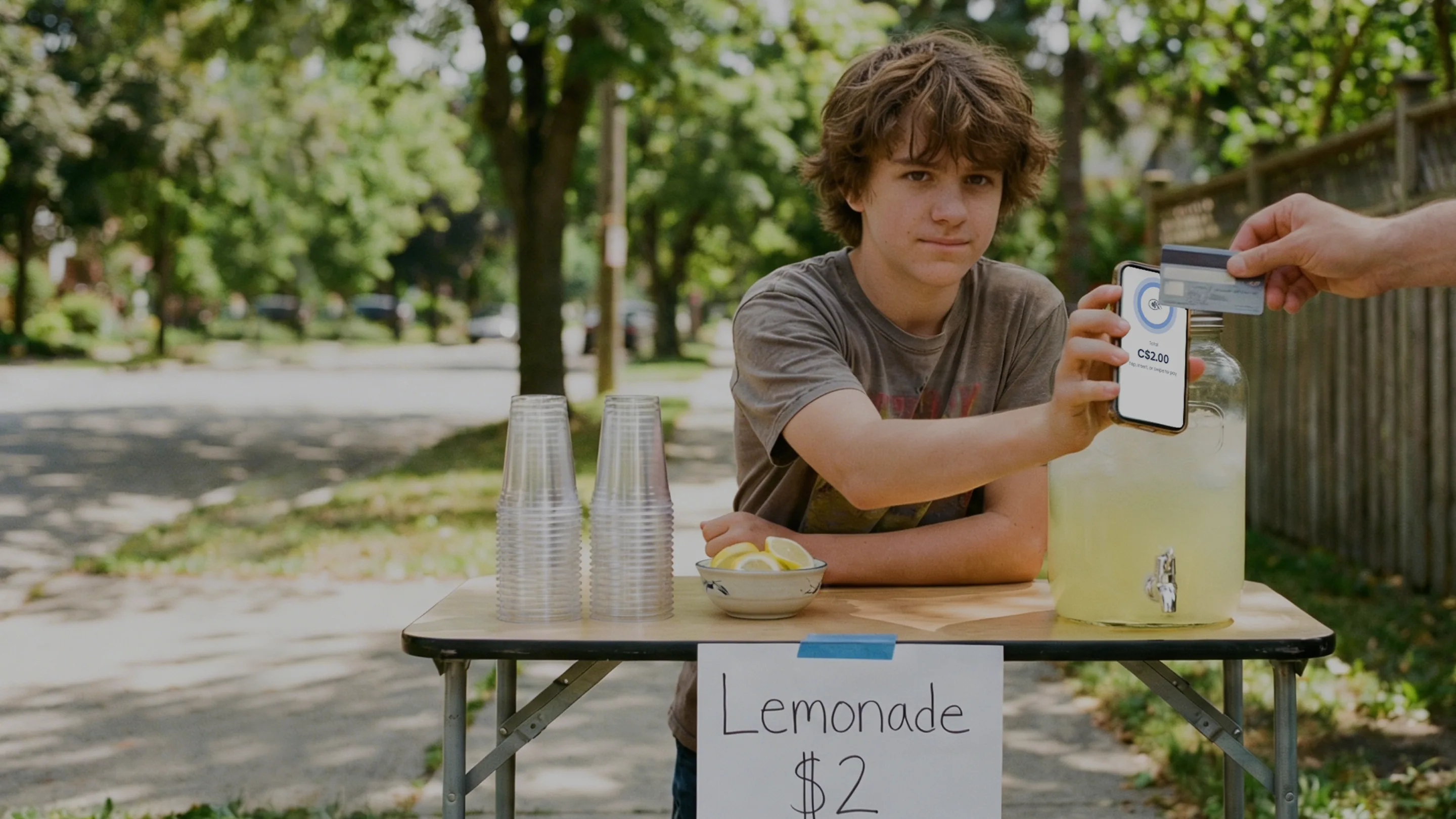
Hardware needs collapse accordingly. Many service businesses can run entirely from a smartphone, which is why the advice in our mobile POS guide applies to more service operators every year. A pocket card reader is optional. A cash drawer is usually dead weight.

Where do the costs actually differ?
The numbers below are accurate as of publication and move often, so treat them as a snapshot. Published pricing across major POS vendors puts subscription software anywhere from $0 to $100+ per month, card processing between 1.5% and 3.5% per transaction, and hardware from $10 pocket readers to $800+ full registers¹. Retail-only plans tend to sit at the cheaper end of the software range; the expensive part of retail is the counter hardware and the add-ons.
The service-side trap is different: paying twice. A booking tool, an invoicing tool, and a payments tool, each billed separately, often replicate what one system should do. Retailers stack subscriptions in their own way, and a typical mid-tier setup can quietly cross $2,000 to $3,600 a year in fixed software costs before any hardware, as we broke down in the hidden cost of SaaS subscriptions. Whichever side you are on, compare total cost of ownership (software plus hardware plus processing together), not the headline rate. A seasonal or mobile operation should also ask whether it needs any gear beyond a backpack at all.
What if your business is both?
This is where templates fail hardest, and it is a growing group: the salon with a product shelf, the repair shop selling parts, the studio selling mats and merch. A retail template treats your regulars as anonymous walk-ins. A service template treats your products as an afterthought with no real stock tracking. The common workaround is running two systems and reconciling them (matching the two sets of records against each other) by hand every month, with double data entry and taxes that never quite line up. Selling online adds a third system, which is why the multichannel questions in our e-commerce POS guide matter even for a small hybrid.

So which POS should you choose in 2026?
Choose by revenue anchor. If your money is made on shelves, buy the inventory machine and accept the counter hardware. If your money is made on appointments and jobs, buy the client machine and skip hardware you will not use. If you are genuinely both, stop trying to pick the less-wrong template and look for flexibility instead: a system where the checkout adapts to the business. That is the approach Final takes, with a prompt-based builder where you describe the checkout you want (or connect your own AI over MCP), no monthly software fee on the core platform, and per-transaction pricing through Final Pay. The overview of what makes Final different is a good place to see how that works in practice.
Rule of thumb: shelves mean inventory first, appointments mean clients first, and both means flexibility first.
Frequently asked questions
Can a service business use a retail POS?
You can, but you pay for inventory machinery you never use and still lack client records, deposits, and card-not-present payments. It works for simple counter service and breaks down once appointments or invoicing matter.
How much does a POS system cost in 2026?
Published vendor pricing runs from free plans to $100+ per month for software, plus roughly 1.5% to 3.5% per transaction for card processing and $10 to $800+ per hardware device. Compare total cost of ownership, not the headline rate.
What POS hardware does a service business need?
Often just a smartphone. Payment links and keyed MOTO payments cover remote billing, and an optional pocket reader handles in-person taps. Cash drawers and receipt printers are usually dead weight for service work.
What should a hybrid business look for in a POS?
One system that treats both sides as first class: real stock tracking per variant and per outlet, plus client records and card-not-present payments. That beats running a retail system and a service system side by side and reconciling them by hand.
Is a free POS plan actually free?
The software fee can be zero, but you still pay processing on every card sale and buy hardware up front. Zero-subscription pricing shifts cost to usage, which favors seasonal and lower-volume businesses.