


Why Vibe-Coded Payment Apps Get Rejected from the App Store
AI can write a checkout app in an afternoon, but Apple rejects payment apps over who submitted them, how they route payments, and entitlements no prompt can generate. Here's where vibe-coded apps die in review.
 Mathias NielsenCEO, Final POS
Vibe-coded payment apps get rejected from the App Store at a higher rate than almost anything else in the review queue, and the reasons usually have nothing to do with code quality. A vibe-coded app — one you built by describing what you want to an AI assistant and shipping what it wrote — can look indistinguishable from professional work. Apple's review doesn't grade the code. It checks who submitted the app, which payment mechanism handles which type of goods, whether hardware entitlements were approved separately, and whether the reviewer can complete a real transaction. Those are exactly the things an AI assistant cannot generate.
This is the wall everyone hits after building a custom point of sale with an AI model: the code exists in an afternoon, but getting it onto an iPhone as a real checkout app is a compliance process, not a coding task.
Did your AI route payments through the wrong system?
The most common rejection is using the wrong payment mechanism for the goods being sold, and AI assistants are unusually good at getting this wrong. Apple's App Review Guidelines draw a hard line. Digital content and services consumed inside the app must use Apple's in-app purchase under Guideline 3.1.1. Physical goods and real-world services — a coffee, a haircut, a shipped order — must do the opposite under Guideline 3.1.5(a): they may not use in-app purchase at all, and require an external payment method.
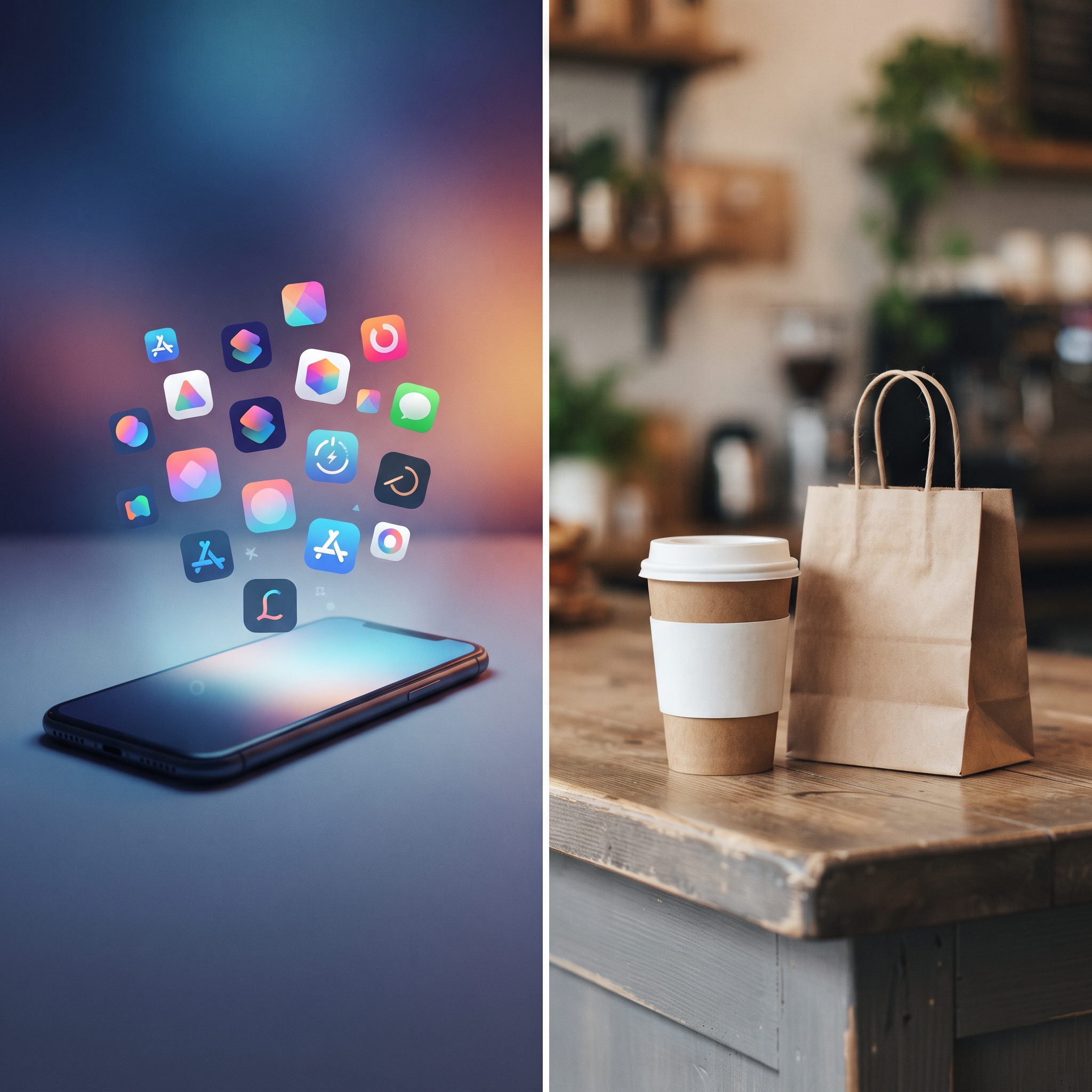
A coding model reproduces whichever payment pattern dominated its training data — in-app purchase boilerplate from subscription tutorials, or a web-checkout SDK from e-commerce examples — without ever asking what you're selling. Prompt it for "an app that takes payments" and you'll get one of the two, chosen by statistics rather than by Apple's rules. The rules also shift by storefront: after the 2025 Epic ruling, apps on the US storefront may link out to external purchase options for digital goods, but that carve-out applies only in the United States. An app distributed worldwide still has to satisfy the stricter rule everywhere else.
Are you even allowed to submit a payment app?
Apple expects apps that handle money management or financial services to be submitted by the institution actually performing those services, with the required licensing in every region where the app is available — that's Guideline 3.2.1. A solo builder shipping an AI-generated payments app is not a licensed financial institution, and neither is an agency submitting one for a client. Offering the app in a country where the money-movement licensing doesn't exist is the same rejection with a different postmark.
Apple's reviewers don't evaluate whether your compliance program is good; they check whether the right entity submitted the app and reject when it isn't. No prompt fixes that.
Why is tap-to-pay its own approval process?
Accepting contactless cards on an iPhone requires the Tap to Pay on iPhone entitlement — a separate application to Apple, independent of app review, granted to a legal entity rather than to a codebase. The development entitlement usually clears in a day or two. The publishing entitlement goes through Apple's operations team, typically takes one to two weeks, and requires working with a supported payment service provider. An AI assistant will happily write the tap-to-pay code without mentioning any of this; submit before the entitlement is granted and the app bounces.
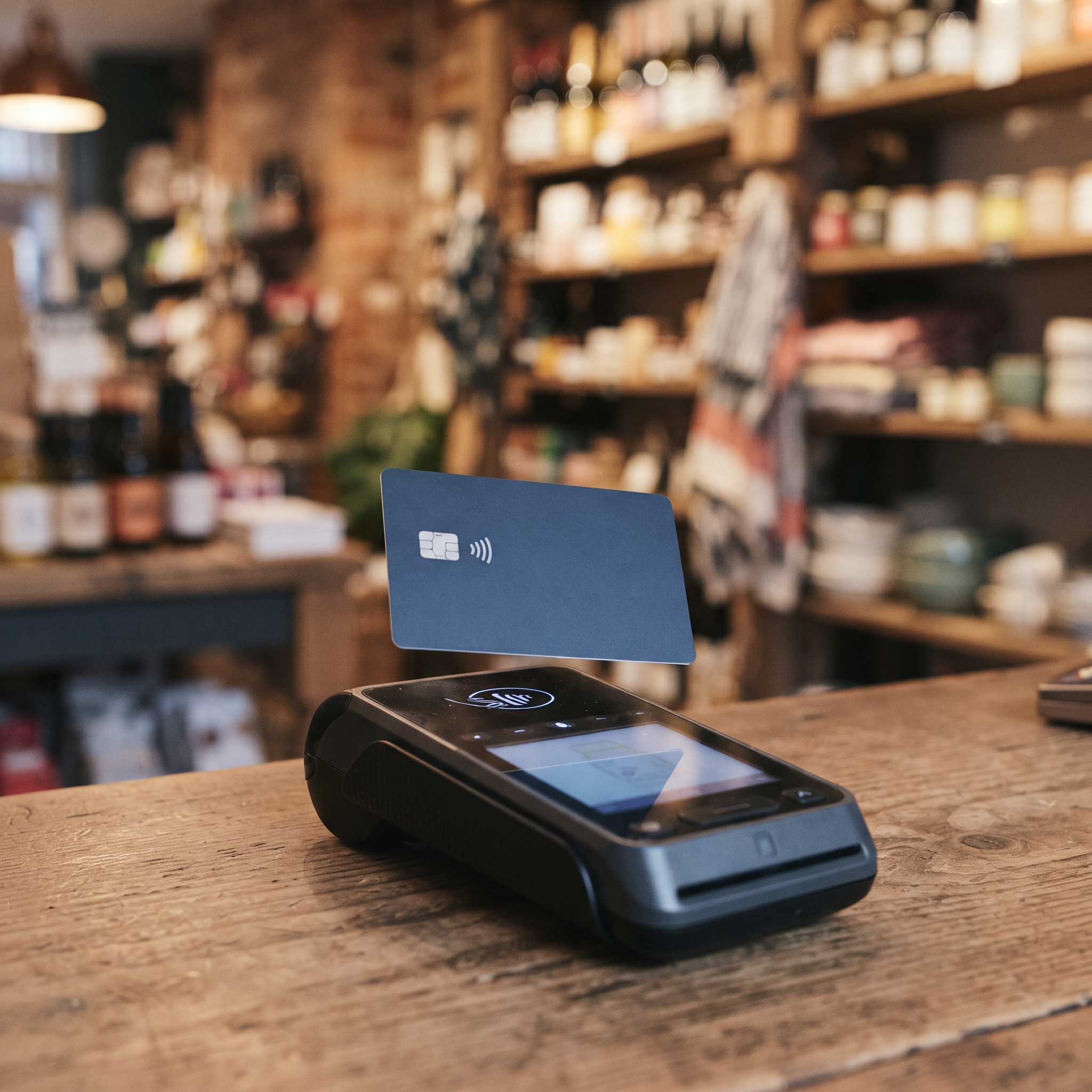
Card-present acceptance also drags in requirements Apple doesn't own: certified reader hardware, EMV rules, and PCI scope for anything touching card data. None of that comes out of a model writing Swift.
Can the reviewer actually finish a transaction?
Guideline 2.1, App Completeness, quietly kills more payment apps than the payments rules do. Reviewers must be able to exercise the full app, including the payment flow. A payment app typically requires a merchant account, identity verification, sometimes a bank account — things a reviewer cannot sign up for during review. Vibe-coded submissions fail here constantly, because the builder often never provisioned a real merchant account themselves; the app was only ever tested against mock data the AI generated alongside it. Without a working demo account and a way to run a test transaction, the app is rejected as incomplete, and each resubmission costs another review cycle.
So what actually ships?
The hard part was never the code. An AI assistant can produce a working checkout interface in an afternoon, but App Store distribution is a gauntlet of entitlements, licensing, and review policy that sits entirely outside anything a prompt can reach. The demo works; the infrastructure doesn't exist yet.
For a merchant selling physical goods, the practical conclusion is simpler: don't enter the queue. Your business needs working checkout, not its own listing in the App Store — the licensing, hardware certification, and review overhead only make sense for companies whose product is the payments software itself. Run the counter on a POS platform that has already absorbed those costs (Final is built exactly this way — payments through Final Pay with certified terminal hardware, no app of your own to publish), and put the review-cycle money into things that move revenue, like a faster checkout flow and lower effective card fees.
Apple's review process exists for good reasons — money apps that fail hurt real people. It's just not a process most merchants ever need to pass, no matter who or what wrote the app.
Frequently asked questions
What is a vibe-coded payment app?
An app built by describing what you want to an AI coding assistant and shipping what it generates, rather than engineering it line by line. The approach works for UI and logic but can't produce entitlements, licensing, or review compliance.
What is App Store Guideline 3.1.1?
It's Apple's rule that digital content and services sold inside an app must go through Apple's in-app purchase system. It does not apply to physical goods or real-world services, which must use other payment methods.
Do apps selling physical goods have to use Apple's in-app purchase?
No. Guideline 3.1.5(a) requires the opposite: payments for physical goods and real-world services must use a method other than in-app purchase, such as a payment processor's SDK.
How long does Tap to Pay on iPhone approval take?
The development entitlement is usually granted within one to two business days. The publishing entitlement is reviewed by Apple's operations team and typically takes one to two weeks, assuming the requirements are met.
Can a merchant take card payments without publishing their own app?
Yes. Most merchants never publish an app — they run checkout on a POS platform whose payment infrastructure and certified card-reader hardware are already in production, and configure it for their business.
Why do payment apps fail Apple's completeness check?
Reviewers must be able to complete a real transaction. If an app requires a merchant account, banking verification, or hardware the reviewer doesn't have, and no working demo account is provided, it gets rejected under Guideline 2.1.