


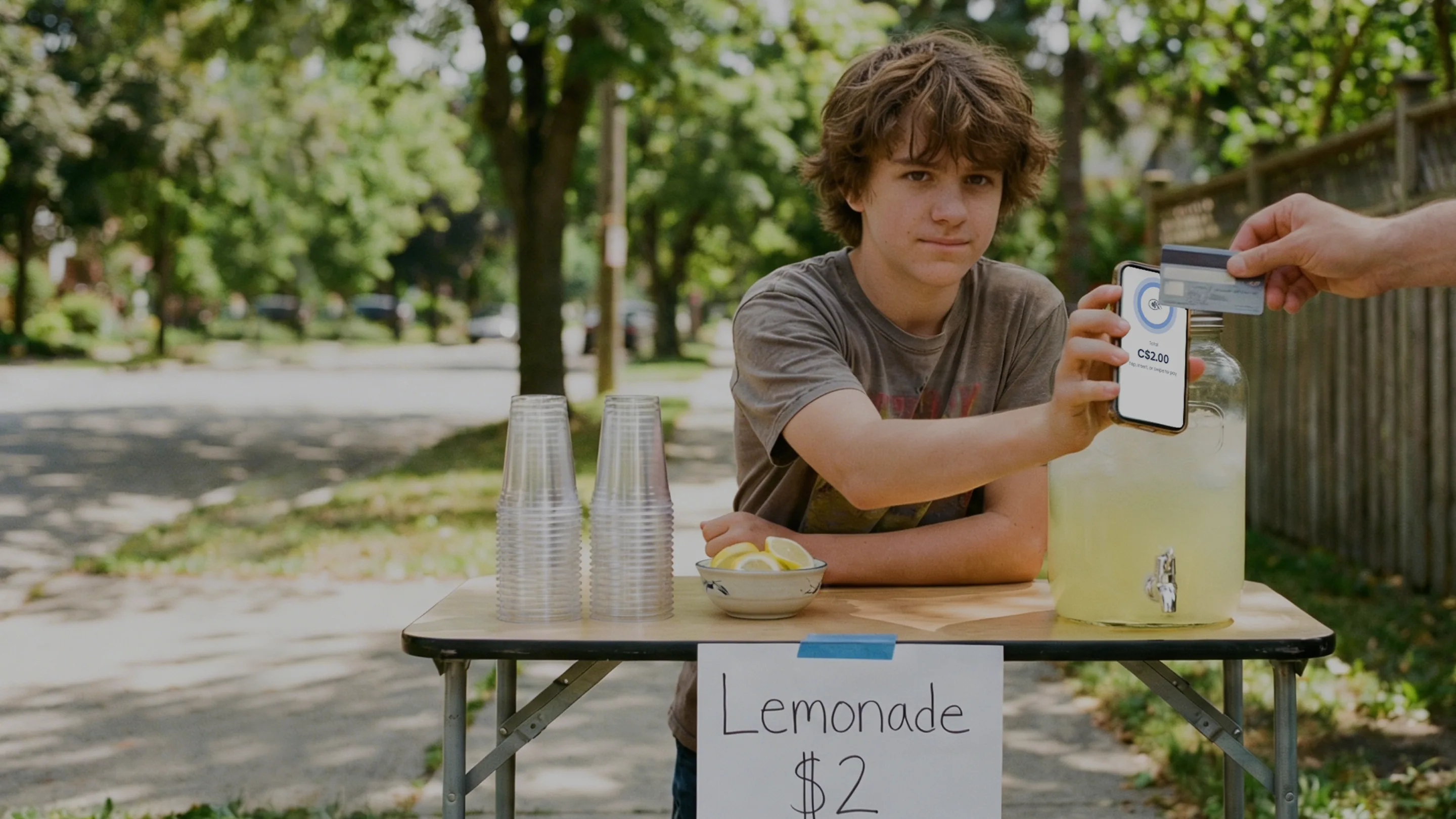
Οι Κατηγορίες Λογισμικού που Είναι Πιθανότερο να Αναπτυχθούν Εσωτερικά έως το 2027
Τα εργαλεία ροής εργασιών, τα πάνελ διαχείρισης, το BI και τα ελαφριά CRM μετατρέπονται σε εσωτερικές κατασκευές. Η μισθοδοσία, οι πληρωμές και τα καθολικά όχι. Εδώ είναι η διαχωριστική γραμμή, με τα δεδομένα πίσω από αυτήν.
 Mathias NielsenCEO, Final POS
By 2027, the software categories most likely to be built in-house are workflow automation, internal admin tools, dashboards and BI reporting, lightweight CRMs, project management, and customer support tooling. The dividing line is process versus correctness. Software that encodes how your business works is now cheaper to build than to rent. Software that has to be correct every single time, like payroll, payments, ledgers, and tax, will stay bought.
Which software categories flip to in-house first?
Workflow and admin tools go first. Retool's 2026 Build vs. Buy report surveyed 817 builders and found that 35% had already replaced at least one SaaS tool with a custom build, and 78% planned to build more in 2026. The categories under the most replacement pressure: workflow automations (35%), internal admin tools (33%), BI tools (29%), CRMs and form builders (25%), project management (23%), and customer support (21%).
Look at what those categories have in common. They move your own data through your own process. None of them involve hard computer science; the value was always the workflow, and the workflow is yours, not the vendor's. When a generic tool covers 70% of your process and charges per seat for the privilege, an AI-assisted build that covers 100% starts winning the spreadsheet math. The cost of failure is low, too. A broken internal dashboard costs you an afternoon, not a lawsuit.

Why is this happening now?
Agentic coding turned "we should build that someday" into a two-day job. Gartner predicts that by 2027, over 65% of engineering teams using agentic coding will treat IDEs as optional, with control, governance, and validation shifting to automated platforms. Building software is becoming something you supervise rather than something you type.
The same Retool survey shows what mature AI building looks like in practice. Among builders who shipped working software, 72% use AI to write discrete pieces of code they integrate themselves, only 31% prompt their way to complete apps, and just 8% ship AI-generated code without changes. Prompt-to-app is still the minority path. What changed is that the cost of custom software fell far enough to flip the build-vs-buy default for an entire class of tools. It flipped quietly, too: 60% of surveyed builders shipped something outside IT oversight in the past year.
What did Klarna actually prove?
Klarna proved the split, not the hype. In 2024 its CEO announced the company was shutting down Salesforce and Workday, and headlines declared the end of SaaS. The follow-up reporting was more useful than the headlines: CX Today confirmed that Klarna replaced Workday with another vendor's HR platform and rebuilt its CRM functionality from a mix of smaller SaaS tools and in-house glue, with AI layered over the top.
Read that carefully and it confirms the category list above. What Klarna built in-house was connective tissue: data consolidation, internal workflow, the layer where its process is unique. What it did not do is vibe-code a core banking ledger. Klarna is a licensed bank. The correct-every-time software stayed with specialists while the process software moved in-house, and that is the same trade most companies will be making by 2027.

Which software will stay bought?
Anything where a wrong answer costs money or a license. Payroll and tax engines. Accounting systems of record. Payment processing and PCI compliance. Certified card-present hardware. Inventory under concurrency, where two registers sell the last unit in the same second and the count still has to be right. Reports that reconcile to the cent.
AI writes this kind of code fluently and confidently, which is exactly the problem. Fluent and confident is not the same as correct under load, audited, and certified, and those properties come from years of production traffic and compliance work that no coding agent compresses. Inspect any "AI built our whole stack" story closely and you will find a bought core underneath.

Where does a point of sale land in this split?
A POS sits on both sides of the line at once, which makes it a useful test case. The front of a point of sale, meaning the checkout flow, the screens, what happens after a sale, and how staff move through an order, is process software: the same species as the internal tools flipping in-house everywhere else. That is why demand for a custom POS keeps growing. Merchants are done bending their counter workflow around a vendor's template. Underneath that layer sits settlement, inventory truth, and reconciled reporting, which land firmly in the stay-bought category.
The workable pattern for 2027 is building the layer you have opinions about on top of infrastructure someone else keeps correct. Final is built around that split: you describe your POS in plain language, or connect your own AI over MCP, and the flows you create run on managed commerce infrastructure, with inventory, reporting, and Final Pay handling payments through a payment processor and certified terminals. To see the pattern in practice, the walkthrough on building a custom point of sale with ChatGPT-5.6 shows exactly where the AI does the work and where the infrastructure takes over.
Συχνές ερωτήσεις
Ποιες κατηγορίες λογισμικού είναι πιο πιθανό να αναπτυχθούν εσωτερικά έως το 2027;
Η αυτοματοποίηση ροής εργασιών, τα εσωτερικά εργαλεία διαχείρισης, οι πίνακες ελέγχου BI και αναφορών, τα ελαφριά CRM, η διαχείριση έργων και τα εργαλεία υποστήριξης πελατών. Αυτές είναι οι κατηγορίες στις οποίες η έρευνα κατασκευαστών της Retool για το 2026 εντόπισε τη μεγαλύτερη πίεση για αντικατάσταση.
Γιατί οι εταιρείες αντικαθιστούν το SaaS με εξατομικευμένα εργαλεία;
Η ανάπτυξη με τη βοήθεια τεχνητής νοημοσύνης έχει μειώσει το κόστος και τον χρόνο δημιουργίας προσαρμοσμένου λογισμικού, ενώ τα γενικά εργαλεία SaaS καλύπτουν μόνο ένα μέρος της ροής εργασιών μιας ομάδας και χρεώνουν ανά θέση χρήστη. Στην έρευνα της Retool για το 2026, το 35% των ομάδων είχε ήδη αντικαταστήσει τουλάχιστον ένα εργαλείο SaaS με μια προσαρμοσμένη λύση.
Αντικατέστησε η Klarna τα Salesforce και Workday με τεχνητή νοημοσύνη;
Όχι ακριβώς. Η Klarna κατάργησε και τα δύο, αλλά μεταγενέστερα ρεπορτάζ έδειξαν ότι τα αντικατέστησε με έναν συνδυασμό εναλλακτικών παρόχων και εσωτερικών εργαλείων, με την προσθήκη τεχνητής νοημοσύνης. Τα βασικά τραπεζικά της συστήματα παρέμειναν σε εξειδικευμένους παρόχους.
Ποιο λογισμικό δεν πρέπει να αναπτύσσετε εσωτερικά;
Λογισμικό που πρέπει να είναι απολύτως ακριβές κάθε φορά: μηχανές μισθοδοσίας και φορολογίας, λογιστικά συστήματα καταγραφής, επεξεργασία πληρωμών και συμμόρφωση PCI, καθώς και διαχείριση αποθεμάτων υπό συνθήκες ταυτόχρονης πρόσβασης. Ένα λάθος σε αυτά τα συστήματα κοστίζει πραγματικά χρήματα ή την απώλεια άδειας λειτουργίας.
Μπορείτε να δημιουργήσετε ένα σύστημα POS εσωτερικά με τεχνητή νοημοσύνη;
Μπορείτε να δημιουργήσετε το επίπεδο ροής εργασιών με τεχνητή νοημοσύνη: ροές ολοκλήρωσης αγορών, οθόνες και τι συμβαίνει μετά από μια πώληση. Οι πληρωμές, ο πιστοποιημένος εξοπλισμός για συναλλαγές με φυσική παρουσία κάρτας και οι αναφορές συμφωνίας υπολοίπων απαιτούν μια εμπορική υποδομή επαγγελματικού επιπέδου ως βάση.