


Categoriile de software cele mai predispuse să fie dezvoltate intern până în 2027
Instrumentele de flux de lucru, panourile de administrare, BI și sistemele CRM ușoare trec către dezvoltări interne. Salariile, plățile și registrele contabile, nu. Iată linia de demarcație, împreună cu datele din spate.
 Mathias NielsenCEO, Final POS
By 2027, the software categories most likely to be built in-house are workflow automation, internal admin tools, dashboards and BI reporting, lightweight CRMs, project management, and customer support tooling. The dividing line is process versus correctness. Software that encodes how your business works is now cheaper to build than to rent. Software that has to be correct every single time, like payroll, payments, ledgers, and tax, will stay bought.
Which software categories flip to in-house first?
Workflow and admin tools go first. Retool's 2026 Build vs. Buy report surveyed 817 builders and found that 35% had already replaced at least one SaaS tool with a custom build, and 78% planned to build more in 2026. The categories under the most replacement pressure: workflow automations (35%), internal admin tools (33%), BI tools (29%), CRMs and form builders (25%), project management (23%), and customer support (21%).
Look at what those categories have in common. They move your own data through your own process. None of them involve hard computer science; the value was always the workflow, and the workflow is yours, not the vendor's. When a generic tool covers 70% of your process and charges per seat for the privilege, an AI-assisted build that covers 100% starts winning the spreadsheet math. The cost of failure is low, too. A broken internal dashboard costs you an afternoon, not a lawsuit.

Why is this happening now?
Agentic coding turned "we should build that someday" into a two-day job. Gartner predicts that by 2027, over 65% of engineering teams using agentic coding will treat IDEs as optional, with control, governance, and validation shifting to automated platforms. Building software is becoming something you supervise rather than something you type.
The same Retool survey shows what mature AI building looks like in practice. Among builders who shipped working software, 72% use AI to write discrete pieces of code they integrate themselves, only 31% prompt their way to complete apps, and just 8% ship AI-generated code without changes. Prompt-to-app is still the minority path. What changed is that the cost of custom software fell far enough to flip the build-vs-buy default for an entire class of tools. It flipped quietly, too: 60% of surveyed builders shipped something outside IT oversight in the past year.
What did Klarna actually prove?
Klarna proved the split, not the hype. In 2024 its CEO announced the company was shutting down Salesforce and Workday, and headlines declared the end of SaaS. The follow-up reporting was more useful than the headlines: CX Today confirmed that Klarna replaced Workday with another vendor's HR platform and rebuilt its CRM functionality from a mix of smaller SaaS tools and in-house glue, with AI layered over the top.
Read that carefully and it confirms the category list above. What Klarna built in-house was connective tissue: data consolidation, internal workflow, the layer where its process is unique. What it did not do is vibe-code a core banking ledger. Klarna is a licensed bank. The correct-every-time software stayed with specialists while the process software moved in-house, and that is the same trade most companies will be making by 2027.
Which software will stay bought?
Anything where a wrong answer costs money or a license. Payroll and tax engines. Accounting systems of record. Payment processing and PCI compliance. Certified card-present hardware. Inventory under concurrency, where two registers sell the last unit in the same second and the count still has to be right. Reports that reconcile to the cent.
AI writes this kind of code fluently and confidently, which is exactly the problem. Fluent and confident is not the same as correct under load, audited, and certified, and those properties come from years of production traffic and compliance work that no coding agent compresses. Inspect any "AI built our whole stack" story closely and you will find a bought core underneath.

Where does a point of sale land in this split?
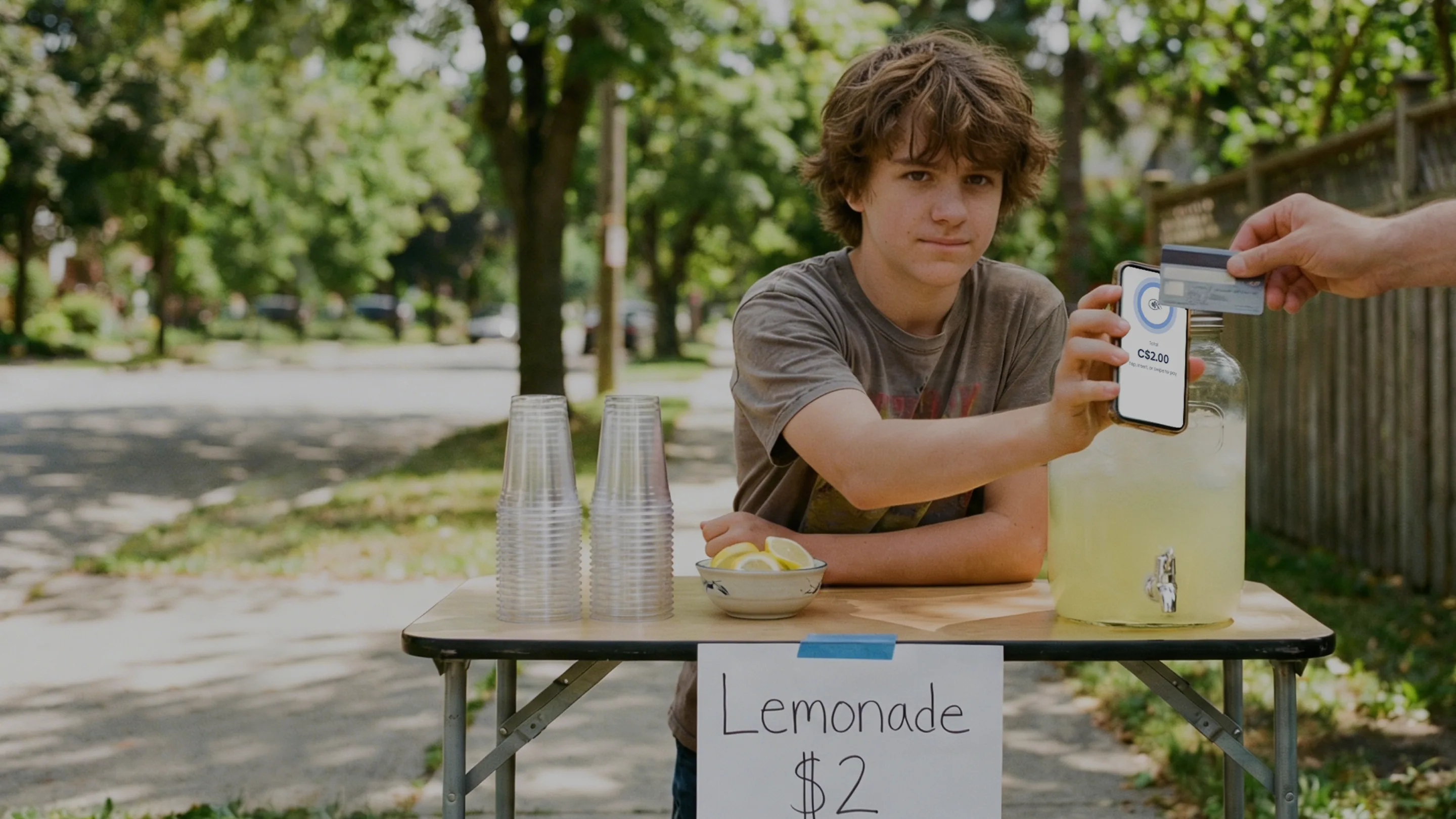
A POS sits on both sides of the line at once, which makes it a useful test case. The front of a point of sale, meaning the checkout flow, the screens, what happens after a sale, and how staff move through an order, is process software: the same species as the internal tools flipping in-house everywhere else. That is why demand for a custom POS keeps growing. Merchants are done bending their counter workflow around a vendor's template. Underneath that layer sits settlement, inventory truth, and reconciled reporting, which land firmly in the stay-bought category.
The workable pattern for 2027 is building the layer you have opinions about on top of infrastructure someone else keeps correct. Final is built around that split: you describe your POS in plain language, or connect your own AI over MCP, and the flows you create run on managed commerce infrastructure, with inventory, reporting, and Final Pay handling payments through a payment processor and certified terminals. To see the pattern in practice, the walkthrough on building a custom point of sale with ChatGPT-5.6 shows exactly where the AI does the work and where the infrastructure takes over.
Întrebări frecvente
Ce categorii de software au cele mai mari șanse de a fi dezvoltate in-house până în 2027?
Automatizarea fluxurilor de lucru, instrumentele interne de administrare, tablourile de bord de BI și raportare, sistemele CRM simplificate, managementul proiectelor și instrumentele de asistență pentru clienți. Acestea sunt categoriile în care sondajul Retool din 2026 în rândul dezvoltatorilor a identificat cea mai mare presiune de înlocuire.
De ce înlocuiesc companiile soluțiile SaaS cu instrumente dezvoltate la comandă?
Dezvoltarea asistată de IA a redus costurile și timpul necesar pentru crearea de software personalizat, în timp ce instrumentele SaaS generice acoperă doar o parte din fluxul de lucru al unei echipe și sunt taxate per utilizator. În sondajul Retool din 2026, 35% dintre echipe înlocuiseră deja cel puțin un instrument SaaS cu o soluție dezvoltată la comandă.
A înlocuit Klarna Salesforce și Workday cu IA?
Nu tocmai. Klarna le-a închis pe amândouă, dar investigațiile ulterioare au arătat că le-a înlocuit cu o combinație de furnizori alternativi și instrumente dezvoltate in-house, cu un strat de IA adăugat deasupra. Sistemele sale bancare de bază au rămas la furnizori specializați.
Ce software nu ar trebui să dezvoltați in-house?
Software-ul care trebuie să funcționeze impecabil de fiecare dată: motoarele de salarizare și de impozitare, sistemele contabile oficiale, procesarea plăților și conformitatea PCI, precum și gestionarea stocurilor în condiții de concurență. O eroare în aceste sisteme costă bani reali sau poate duce la pierderea licenței.
Puteți construi un sistem POS in-house cu ajutorul IA?
Puteți construi stratul de flux de lucru cu ajutorul IA: fluxurile de finalizare a comenzii, ecranele și ceea ce se întâmplă după o vânzare. Plățile, echipamentele hardware certificate pentru tranzacții cu cardul prezent și raportarea reconciliată au nevoie de o infrastructură comercială de nivel de producție la bază.