


Walmart Removing Self-Checkout: A Shift Back to Traditional Lanes
Walmart is removing self-checkout lanes in select stores, citing theft concerns and customer experience. Other major retailers are following the same path.
 Mathias NielsenCEO, Final POS
Walmart, the retail giant has also come up with a new strategy that is slowly being adopted by other companies in the industry to change the course of the industry by deciding to remove self-checkout lanes in some of its stores. This has also brought up many questions on the future of retail technology and customer service. Now let us look at the causes of this change, the fields that have been affected, and the perception of consumers and workers.
Is Walmart Getting Rid of Self-Checkout?
Yes, Walmart is removing self-checkout lanes in select stores. The company has confirmed that staffed cashier lanes are replacing self-checkout kiosks at certain locations, citing high theft rates, customer feedback, and a desire to improve the in-store experience. While Walmart has not announced a chain-wide elimination of self-checkout, the removals signal a meaningful shift in how the retailer approaches checkout technology. Other major retailers — including Target, Dollar General, and Safeway — are making similar moves, suggesting this is part of a broader industry trend rather than an isolated decision.
Reasons behind the change
The main reasons for removing self-checkout lanes are:
Addressing theft: The losses at self-checkout are believed to be five times more likely than the losses at the traditional cashier checkouts. Niel Saunders, the managing director of GlobalData stated, "The theft rates at self-checkouts are quite high as a result of intentional theft as well as accidental errors.
Customer and associate feedback: Walmart has been observing the shopping trends and business requirements in certain regions and that has made them reconsider their checkout systems.
Enhancing customer experience: The company wants to give more attention to the customers and enhance the shopping experience of the customers.
Affected locations
The list of Walmart stores removing self-checkout lanes includes:
Shrewsbury, Missouri
Cleveland, Ohio
Albuquerque, New Mexico
These locations are among the stores that Walmart has plans to invest more and expand and enhance facilities in the United States. "We have decided to take out self-checkout lanes and place staffed lanes in some of the stores, and this is according to Brian K. Little, a spokesman for Walmart.
Customer and employee feedback
The response to Walmart's decision has been mixed:
Positive reactions: Some customers appreciate the return to human interaction and the potential for increased employment opportunities. Employees consider this an opportunity to deliver better services and engage customers directly.
Concerns: Others worry about longer wait times and the loss of convenience, especially for small purchases. Some customers have become comfortable using self-checkout and fear congestion during peak hours.
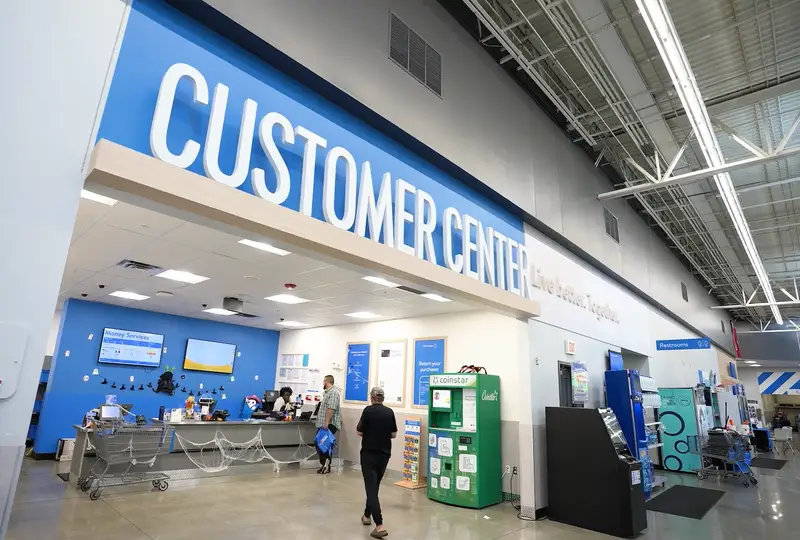
The self-checkout has brought out different attitudes of customers in the society. Some have said jokingly that if they are to scan products, they should be working for Walmart. Some of the participants said that they do not feel as much about being monitored by the employees when they use the self-checkout kiosks.
Impact on the Shopping Experience
Personalized service
Walmart has stated that it is eliminating some of the self-checkout lanes to be able to provide more one one-on-one service. This change allows employees to give the customers better service, to attend to certain concerns during the checkout process. Walmart has decided to bring back personal contact to the buyer and employee relationship in order to establish a closer relationship with the shoppers and hence enhance their satisfaction and loyalty.
Efficiency considerations
Although self-checkout was designed to enhance speed and reduce the time spent waiting for the checkout, there are cases where it makes the process worse, for example, during payment or in case of issues. The move to remove self-checkout lanes is to address these problems by having the staff help with the transactions.
But, moving over to the conventional lanes may not always be a better idea. Especially during peak hours, the absence of self-checkout options may lead to longer waiting times which may be frustrating for the customers who are used to the quick service from the self-service kiosks.
Customer reactions
Consequences have been diverse, with some clients enjoying the contact with the personnel, on the other hand, the younger generation of consumers, the so-called millennials, appreciate the speed of the self-checkout. Some of the consumers value the social contact they get from cashiers especially when they are making big purchases or when they are conducting other transactions that require a lot of attention.
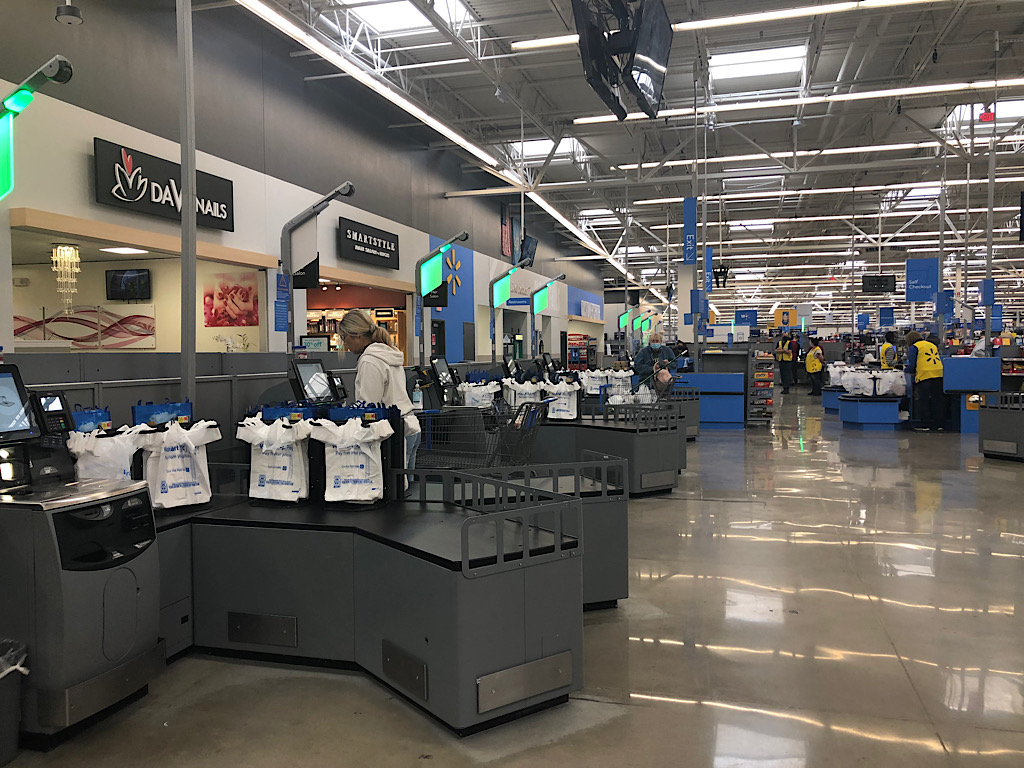
The closure of self-checkout lanes has also been a problem in terms of employment. Some of the customers have welcomed the decision holding the view that it will lead to job creation given the current trend of automation in the retail sector.
Broader Retail Trend
Other retailers following suit
Walmart's decision is not unique in the industry. Several large companies are reviewing their self-checkout policies:
Target: Limiting self-checkout to customers with ten items or less.
Dollar General: Removing self-checkout options in about 12,000 stores. CEO Todd Vasos said they will limit self-checkout use in areas with high traffic and low theft rates.
Safeway: Removing self-checkout in some stores and adding receipt scanning gates in others.
These actions show that the industry is working hard to meet the challenges posed by self-checkout technology without compromising customer experience.
Industry-wide shift
This change represents a significant shift in the retail approach to self-checkout technology. Having invested considerable time and resources in implementing self-service technology, many firms are now reevaluating its value and implications. Factors leading to this change include theft concerns, customer demands, and the need to offer personalized services.
According to the Food Industry Association, 44 percent of all transactions at grocery stores were made at self-checkout lanes in the previous year, compared to 29 percent in 2022. However, this growth has not always led to enhanced customer satisfaction or decreased operational expenses for all retailers.
Balancing technology and human interaction
As retailers navigate this changing landscape, some are seeking ways to combine physical touch with technological solutions:
"Concierge" model: Employees welcome and assist guests while using technology to enhance the checkout process. This model allows for a more interactive experience while still leveraging technology.
New payment methods: Retailers are exploring innovative ways to integrate technology into the shopping process while maintaining customer contact. These include mobile checkout options, smart carts, and app-based payment methods.
Claire Tassin, a retail analyst at Morning Consult, notes, "It is a misconception that technology cannot be personalized or have an element of personal touch in it." Retailers need to balance the use of technology with the need to offer personal touch, theft prevention, and efficiency.
Walmart has recently announced that it will be closing some of the self-checkout lanes in its stores which has great effects on the retail industry. This move, like other big companies which are also thinking about their self-checkout options, is part of a general trend. The shift from the innovative checkout methods to the conventional methods has its advantages and disadvantages in different aspects of the shopping experience including service delivery, time and convenience.
In the future of retailing, the task of integrating technology and people to optimize the checkout experience will be paramount. This is seen through the fact that Walmart has integrated self-checkout services as well as the conventional lanes in most of its stores. This shift is a good lesson that it is not always the technology that can help solve the problems and it is crucial for retailers to know and meet the needs of consumers.
Frequently asked questions
Is Walmart getting rid of self-checkout?
Walmart is removing self-checkout lanes in select stores but has not announced a full chain-wide elimination. Confirmed removals have taken place in Shrewsbury, Missouri; Cleveland, Ohio; and Albuquerque, New Mexico, where staffed cashier lanes are replacing self-checkout kiosks. The company says the decision is driven by theft concerns, customer feedback, and a desire for more personalized service.
Why is Walmart removing self-checkout lanes?
Walmart is removing self-checkout lanes in select stores primarily due to high theft rates, which are believed to be five times greater at self-checkout than at traditional cashier lanes. The company also cited customer and associate feedback and a desire to improve the in-store shopping experience through more personalized service.
Which Walmart stores are removing self-checkout?
Walmart has removed self-checkout lanes at locations in Shrewsbury, Missouri; Cleveland, Ohio; and Albuquerque, New Mexico. Spokesman Brian K. Little confirmed that staffed lanes are being added in place of self-checkout at these stores.
Is Walmart removing self-checkout everywhere?
No. Walmart's self-checkout removal is limited to select stores as of the confirmed announcements. The majority of Walmart locations continue to offer self-checkout alongside traditional staffed lanes. The company evaluates each store based on local shopping trends, theft rates, and customer feedback.
Are other retailers also removing self-checkout?
Yes. Target has limited self-checkout to customers with ten items or fewer, Dollar General is removing self-checkout in roughly 12,000 stores, and Safeway is eliminating self-checkout in some locations while adding receipt-scanning gates in others. The trend reflects broader industry concerns about theft and customer satisfaction.
How does removing self-checkout affect customers?
Reactions are mixed. Some customers welcome the return to human interaction and see it as a potential job creator, while others — particularly those used to quick self-service — worry about longer wait times during peak hours. The impact depends heavily on store traffic and the number of staffed lanes available.
What percentage of grocery transactions use self-checkout?
According to the Food Industry Association, 44 percent of all grocery store transactions were made at self-checkout lanes in the most recent year reported, up from 29 percent in 2022. Despite this growth, many retailers report that self-checkout has not consistently reduced operational costs or improved customer satisfaction.